



Graphite Heat Exchangers
Less downtime. Lower Maintenance. Time-Tested Heat Transfer Expertise
At CG Thermal we produce Impervite® graphite, an impervious composite consisting of a graphite base material impregnated with a proprietary resin. The composition of the base graphite must meet a very stringent specification and undergo a precisely controlled impregnation process. The result is graphite that has excellent heat transfer characteristics and can withstand the stresses resulting from temperature and pressure fluctuations and mechanical stresses common in process applications. The thermal and physical properties of CG Thermal’s Impervite® graphite make it an excellent heat transfer media.
Advantages include:
- Exceptional thermal conductivity
- Easily machined
- Capable of withstanding system stresses
- Superior corrosion resistance
- Low coefficient of thermal expansion (CTE)
- High operational safety
- Long service life

Types of Graphite Heat Exchangers for Harsh and Corrosive Environments
Due to its high thermal conductivity, chemical inertness, and resistance to thermal shock, graphite is a highly effective heat transfer medium. Consequently, our Impervite® graphite heat exchangers are engineered in a variety of designs and configurations to accommodate a wide range of process conditions and corrosive environments.. We offer the following types:
Shell and Tube Graphite Heat Exchangers
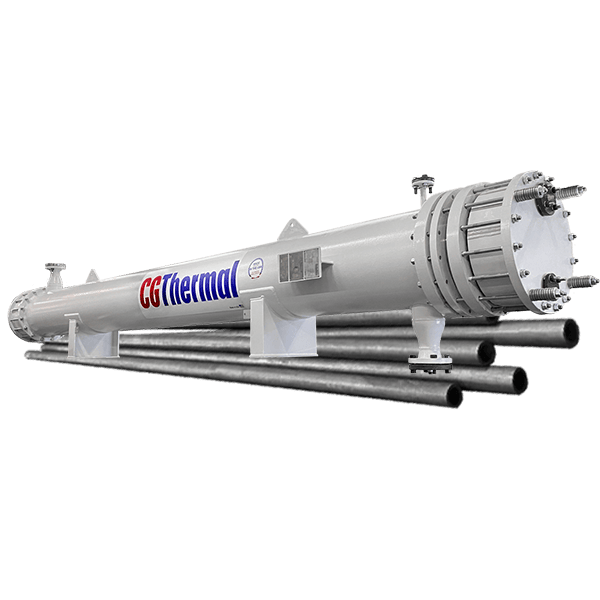
Our Impervite® graphite shell and tube heat exchangers are engineered for superior reliability and service life. Compared to other graphite heat exchangers, they offer exceptional performance and a low initial cost, resulting in an excellent lifetime return on investment. Their large cross-sectional flow area makes them ideal for low-pressure and high-fouling applications.
Multi-Blox Graphite Heat Exchangers
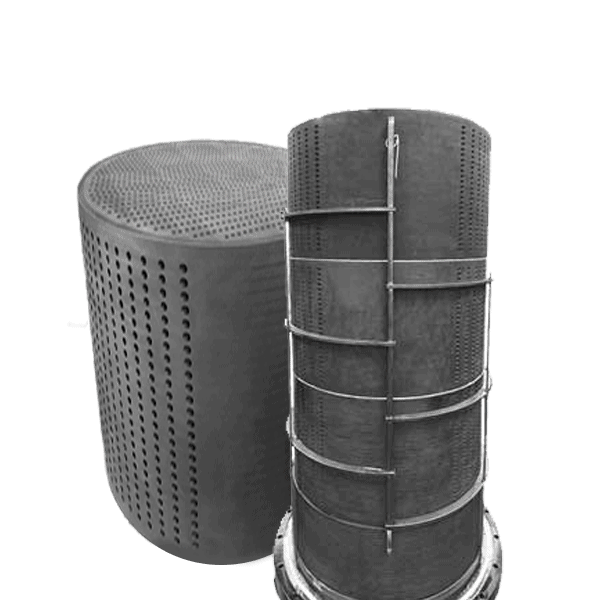
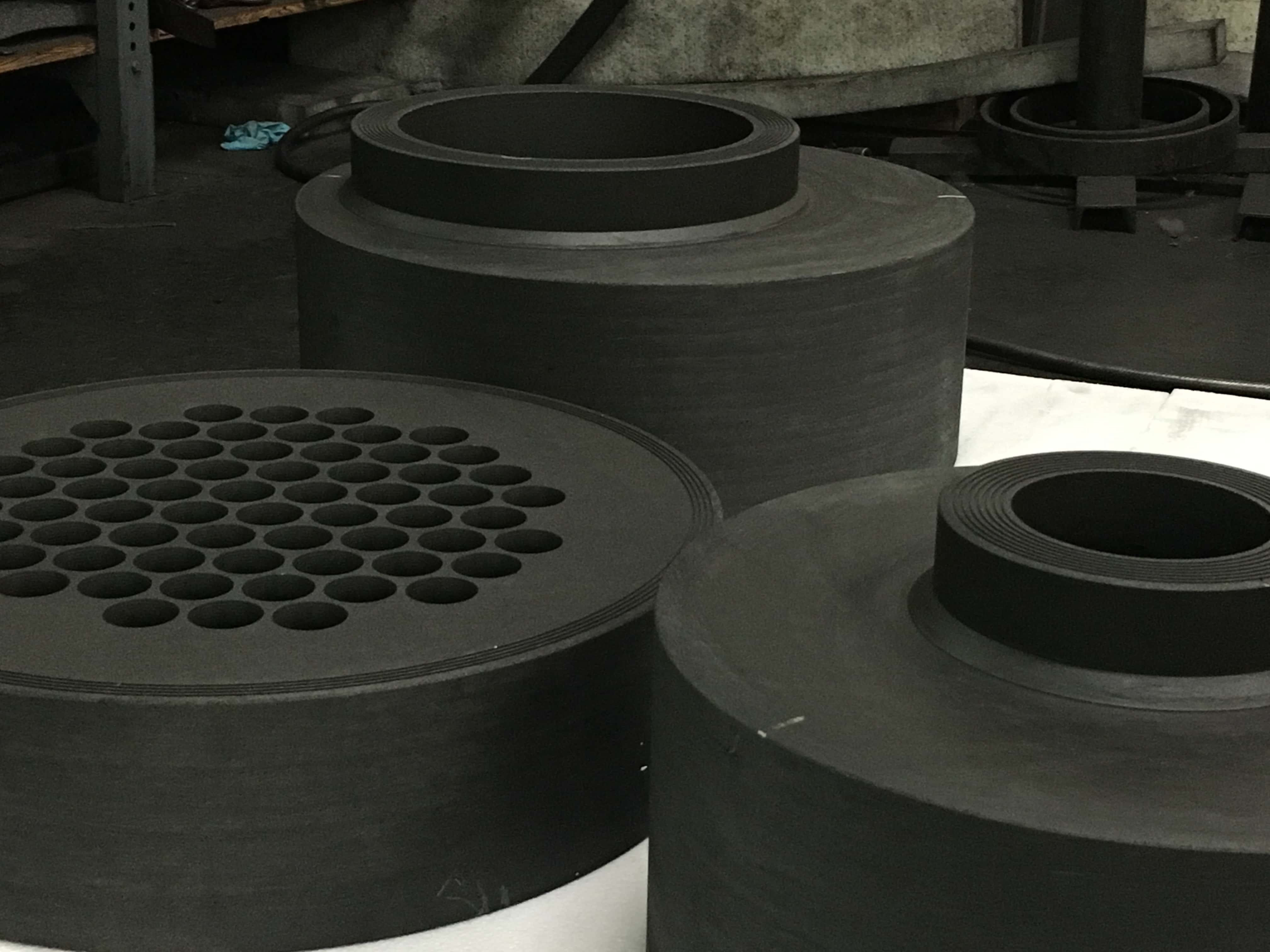
Our Multi-Blox™ cylindrical block heat exchanger features some of the longest graphite-composite blocks in the industry. This design helps reduce the need for gaskets, eliminates potential leak paths, and minimizes point loading issues. They are designed and built for non-stop service with operating pressures up to 150 PSIG.
Cubic Block Graphite Heat Exchangers
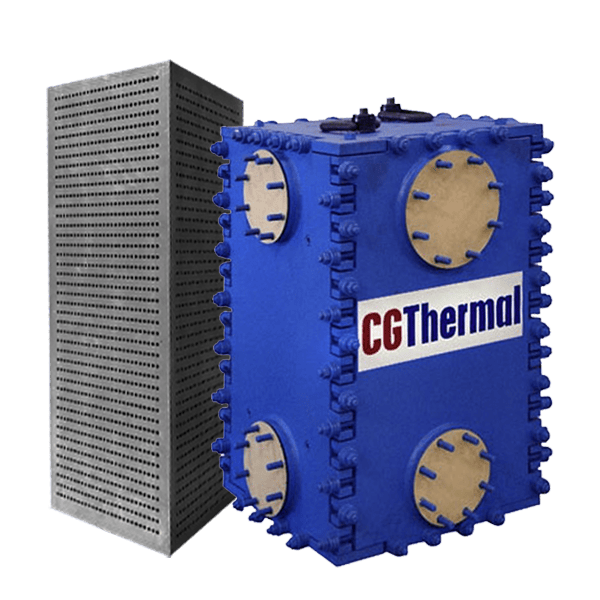
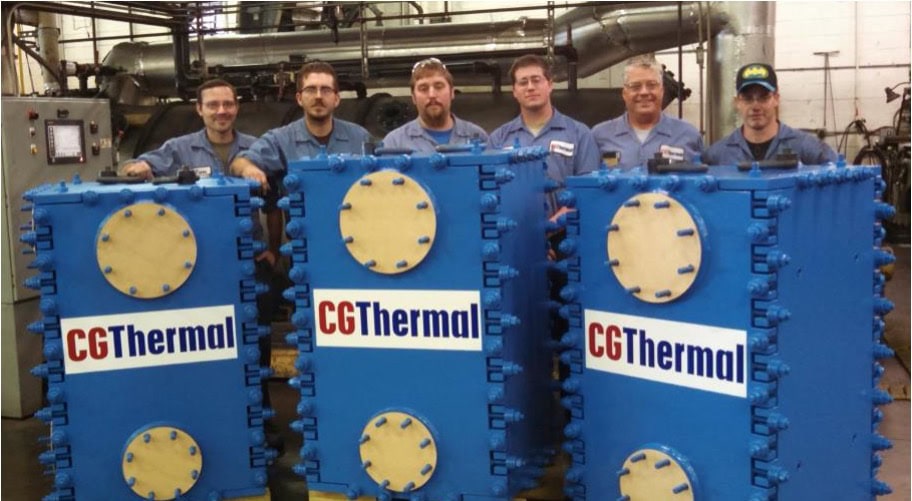
Our cubic block heat exchangers offer the greatest efficiency with the highest heat transfer capabilities in the smallest space. They are exceptionally durable and provide easy access to service holes for cleaning and maintenance. Their design makes them ideal for interchange service and high-fouling applications.
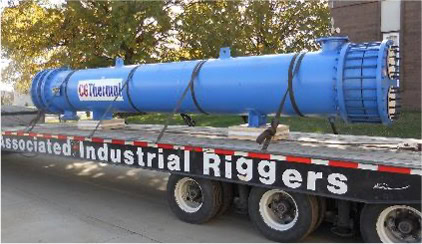
Product Gallery





Why Use Impervite® Graphite in Heat Exchangers?
A Brief History of Graphite
The composition of the graphite can be adjusted to achieve different mechanical, thermal, and electrical characteristics for different applications. Graphene is a highly crystalline graphite used for its excellent electric conductivity. Large-grain graphite is commonly used for electrodes in steel production. Graphite is a result of the solid-phase transformation of the amorphous state of carbon to its softer, crystalline state. Graphite is the most stable form of carbon. Natural graphite is formed by subjecting carbon to 750°C at 75,000 psi for about 10 million years.
In the late 1800s, Edward Acheson, founder of the Carborundum Company, accidentally manufactured synthetic graphite while trying to create synthetic diamonds. Instead, he found that at ambient pressure amorphous carbon can be converted to crystalline graphite at 2300-3000°C.
Graphite exhibits the properties of a metal and a nonmetal. The metallic properties include high thermal and electrical conductivity. The nonmetallic properties include inertness. This resistance to corrosion allows graphite to withstand a wide range of harsh and corrosive process streams. Graphite is particularly well suited for use with strong reducing acids with high chloride contents (e.g., hydrochloric acid). In addition to hydrochloric acid, other common applications include evaporation, condensation, or simple heating and cooling of nitric acid, phosphoric acid, and sulfuric acid.
At CG Thermal, we are dedicated to providing our customers with innovative solutions for heat and mass transfer, storage, and fluid transport. Equipped with more than 150 years of combined experience, we not only design and manufacture superior graphite heat exchangers, but we also design the systems that require those graphite heat exchangers.
Frequently Asked Questions (FAQ)
When should graphite be considered instead of a metal heat exchanger?
Consider graphite when corrosion of the proposed metal would limit equipment life or contaminate the process stream, particularly in reducing acid and chloride-containing service. Its thermal conductivity supports effective heat transfer without relying on a metallic wetted surface. Selection should compare chemical compatibility, design temperature and pressure, mechanical loading, cleaning requirements, and lifecycle cost. Graphite is brittle, so piping loads and handling must also be addressed; it is not a universal replacement for metal.
How do engineers choose between block and tubular graphite heat exchangers?
Start with the process duty rather than the exchanger shape. Compare allowable pressure drop, flow rates, phase change, fouling tendency, available space, and access for cleaning. Block designs route fluids through separate drilled passages; tubular designs separate the streams across tube walls. Passage dimensions and flow arrangement affect velocity, plugging risk, and maintenance. Review cubic block, Multi-Blox cylindrical, and shell and tube options against the same operating cases.
Can a graphite heat exchanger serve as a condenser, cooler, or evaporator?
Yes, but each duty requires a different thermal and hydraulic evaluation. A cooler removes sensible heat from a liquid; a condenser must also handle latent heat and any noncondensable gases; an evaporator must account for boiling behavior and changes in concentration. For corrosive acid recovery or concentration service, provide vapor composition, operating pressure or vacuum, expected solids, and inlet and outlet conditions. A unit sized for one duty should not be assumed suitable for another without review.
Is impervious graphite compatible with every acid or corrosive mixture?
No. Compatibility depends on the complete fluid composition, concentration, temperature, and impurities, as well as the graphite impregnant, cement, gaskets, and other wetted components. Oxidizing conditions require particular attention; an acid name alone is not enough to establish suitability. Include cleaning chemicals and startup, shutdown, and upset conditions in the review. Obtain application-specific confirmation before selecting graphite for mixed acids or changing an existing unit’s service.
How should graphite and silicon carbide heat exchangers be compared?
Compare the complete exchanger designs under the same process conditions. Resin-impregnated graphite and silicon carbide have different chemical compatibility and mechanical characteristics. Silicon carbide may be considered where the chemistry or temperature falls outside the selected graphite composite’s limits, or where abrasion is a concern. The decision should also consider seals, fouling, cleanability, pressure drop, repair options, and installed cost. Neither material is the best choice for every corrosive duty.
Does high graphite thermal conductivity guarantee a high overall heat transfer coefficient?
No. Thermal conductivity describes heat flow through the solid material. The overall heat transfer coefficient also includes resistance from the fluid films, wall thickness, and fouling on both sides. Viscous fluids, low velocities, deposits, or noncondensable gases can control performance even with a conductive wall. For sizing or comparing quotations, use the actual fluid properties, flow arrangement, allowable pressure drop, and fouling allowance rather than a single generic graphite heat transfer coefficient.
What information is needed to select or quote a graphite heat exchanger?
Provide the composition and concentration of both streams, flow rates, inlet and required outlet temperatures, operating and design pressures, allowable pressure drops, and utility conditions. Identify solids, fouling, viscosity, phase change, cleaning methods, and expected operating variations. Also include space and connection constraints and applicable design-code requirements. For replacement equipment, share the existing datasheet and the reason for replacement. Send your process requirements to CG Thermal for an application review.
Increase Your Plant Productivity With CG Thermal
Graphite heat exchangers are an excellent option for heat transfer applications involving highly corrosive fluids. If you need graphite heat exchangers for your facility, turn to the experts at CG Thermal.
At CG Thermal, we are committed to ensuring your operations run smoothly and reliably with minimal downtime. Our experts have the industry knowledge necessary to design and manufacture heat exchangers that can withstand your harshest process requirements.
To learn more about our graphite heat exchanger solutions or discuss your requirements with one of our experts, contact us today.